




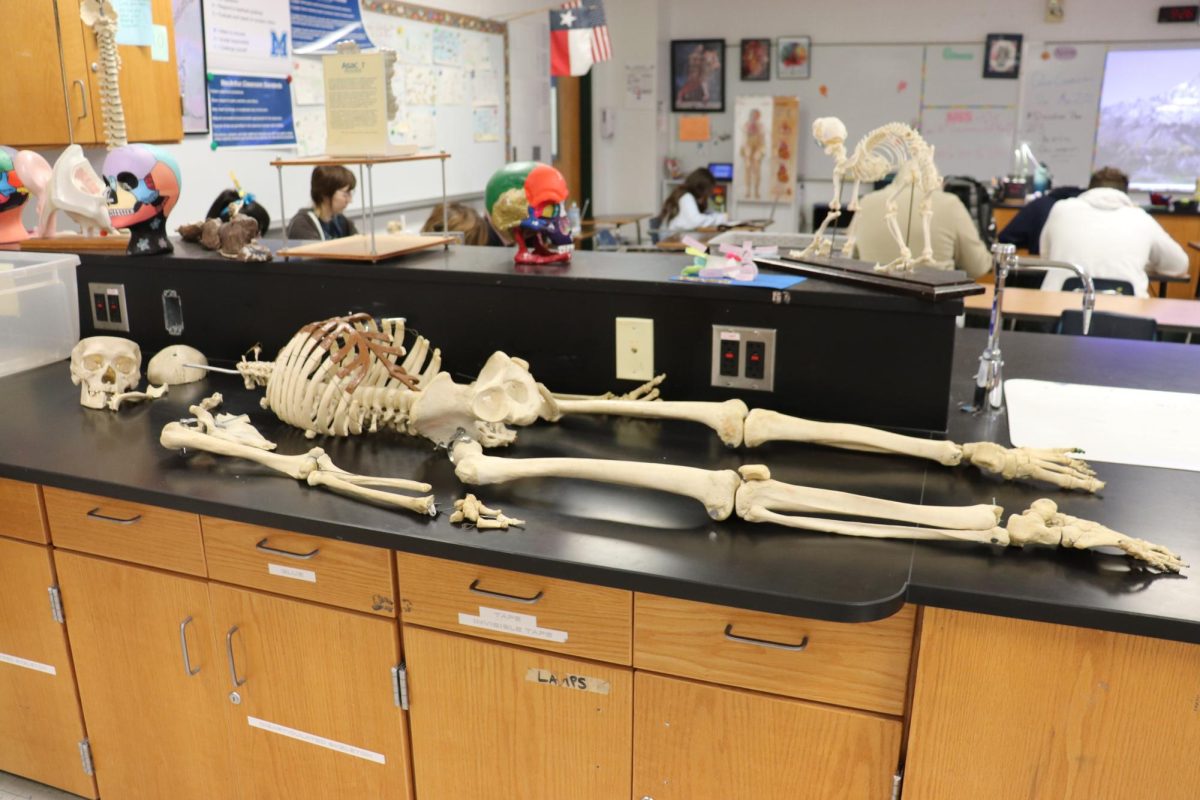
These bones weren’t plastic. In fact, they were real human bones. The bones used to belong to a living person, a teenage girl who once lived and breathed and is now scattered in boxes around D348, Anatomy and Physiology teacher Tori Snell’s classroom.
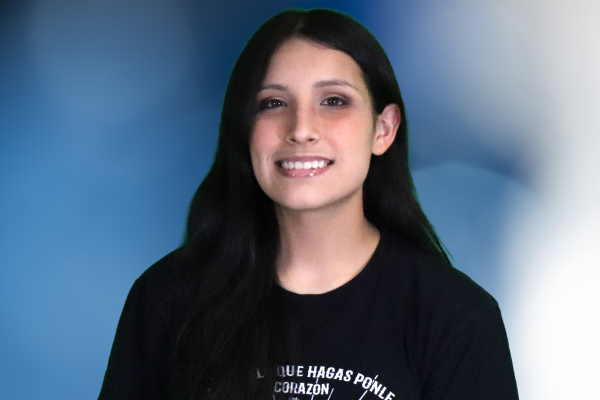
“My initial reaction was shock/disbelief,” Snell said. “I never imagined a high school having the funds to own a real human skeleton. Shortly after, it was replaced by excitement because how many high schoolers get to look at/handle real bones? …When I got to my room with all of the anatomy supplies, I was not given an inventory of what was in the room or where it was located. I pulled down a box that was sitting on top of my cabinets and inside of it was the spine, ribs, pelvis, the skull, and an arm. In searching through other cabinets and drawers in my room, I found the other arm, legs and feet.”
Despite having the bones unidentified, knowing that this used to be a student around a similar age group is shocking.
“I know it was pretty interesting and weird that we would have a whole human at MacArthur like a puzzle piece- and it’s not even completed, too,” junior Sky Rivas said. “I thought it was cool talking about how she was searching and how she recognized that they were real bones.”
Thanks to the unforeseen opportunity given to not only Snell, but the students in the class were able to be a part of the experience.
“I got to be a part of it: touch the bones and we got to move some of the bones,” senior Kiera Hoppe said. “I was really excited because I want to be an anthropologist, so I just really wanted to find out what’s going to happen and who she was gonna be able to get down here.”
In order to get a clearer idea and analysis of the bones’ origins, resources from UTSA are being used, as a meeting has been scheduled with a human skeleton biology specialist.
“Many of the bones have been broken or damaged,” Snell said. “I have reached out to a human skeleton biology specialist at UTSA to help me figure out the best way to preserve and potentially restore the skeleton to make it usable as a classroom educational aid.”
Though the bones weren’t on anyone’s inventory list, they may be used for future lessons and analysis on the human skeletal system.
“I want to be able to use them as a learning tool when we talk about the skeletal system. There are several things that you can observe with real bones that you are unable to when using an anatomical plastic skeleton,” Snell said. “I hope to find a way to keep this skeleton as well preserved as possible to extend the usefulness of this skeleton in the classroom.”
While awaiting any extra information, the identity of the remains will remain a mystery.
.