









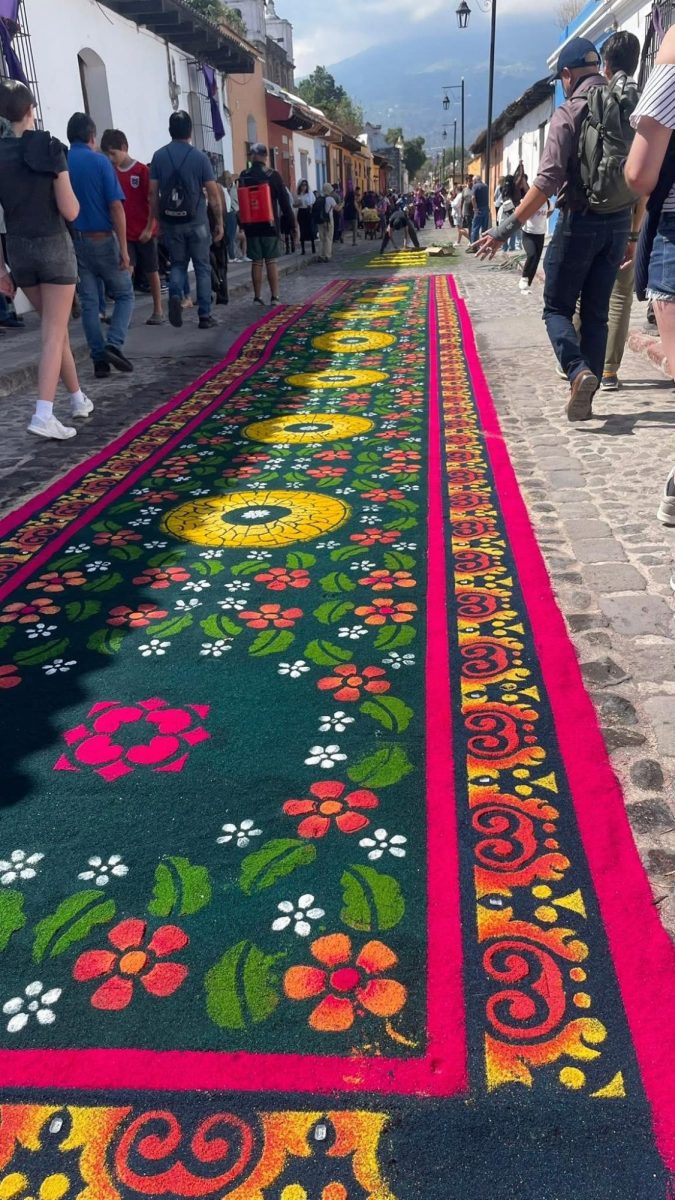
In El Salvador, Semana Santa (Holy Week) is the country’s biggest event. While many visit the beach, the main point of the tradition is in towns like Sonsonate and Texistepeque. A major thing they do are the alfombras which are large street “carpets” made of colored sawdust, salt, and petals. Family and friends work together to create these religious images, even though they are quickly washed away by processions, they take their time and make them very detailed.
The Talcigüines (The Devils)
On Holy Monday in Texistepeque, men dress in red masks and outfits as Talcigüines (“demon men”) They run through the streets hitting people with leather whips to “cleanse” their sins. The ritual ends with them falling before a person playing Jesus symbolizing good defeating evil.
Traditional Plates of Semana Santa
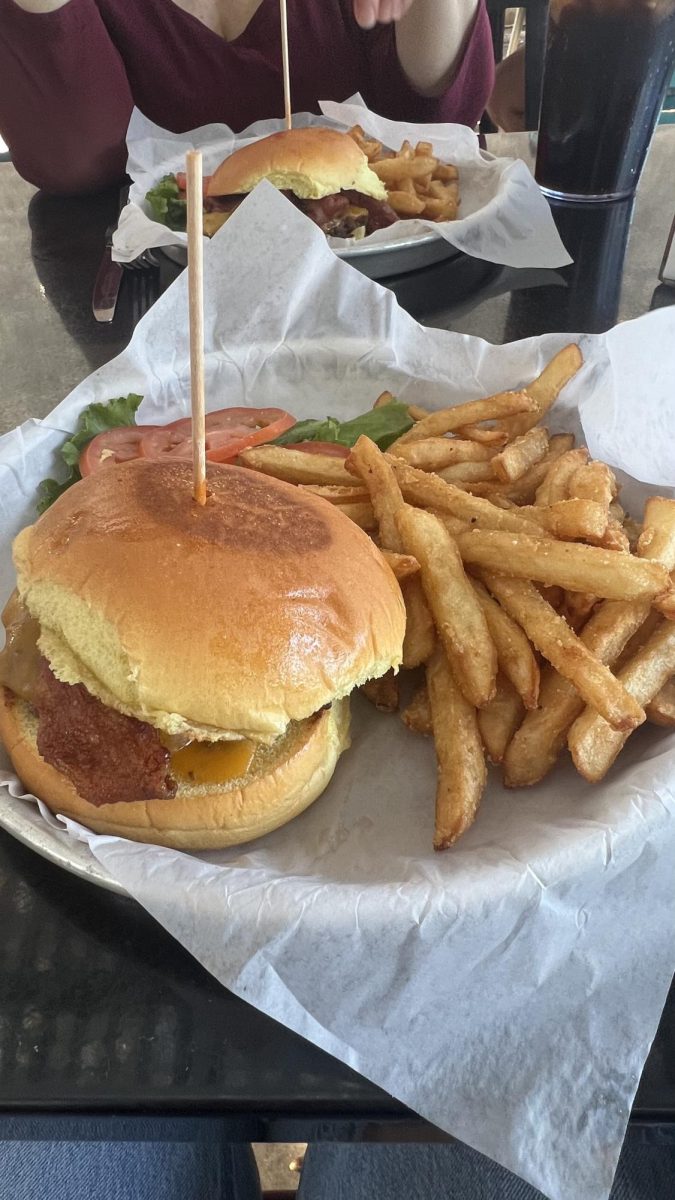
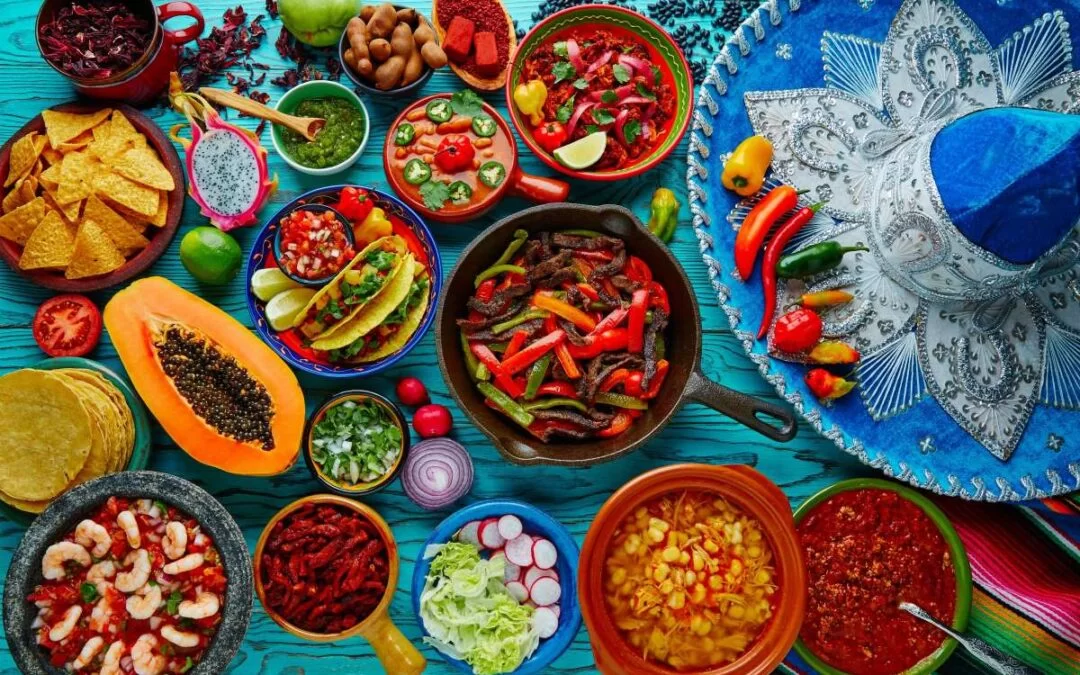
Because many avoid meat on Fridays, specific foods become popular. Plates like torrijas, which are like sweet French toast soaked in syrup, and fruits in honey like mangos and jocotes. You also see a lot of dried fish served in warm soups or as fried patties. Since no one is eating meat these dishes become the main meal that everyone looks forward to. It’s a way for families to stick to their traditions while eating delicious food.
The Processions
On good Friday thousands of people dress in purple or black to walk through the streets. They carry heavy wooden platforms with statues of Jesus through air filled with incense. Why is it such a big deal in El Salvador? For Salvadorans this week is a mix of a big family party and a very serious religious holiday. Whether they are at the beach or at church, it’s a time when the whole country gets to remember their traditions. Whether spent at church or with family, this week is a precious and valued time for Salvadorans to honor their traditions.